Views: 7
Table of Contents
- 1 Introduction
- 2 🔍 What Is a Trademark Objection?
- 3 ⚠️ Objection vs Rejection: What Is the Difference?
- 4 📋 Common Reasons Why a Trademark Gets Objected
- 5 ⏰ What Is the Deadline to Reply?
- 6 📝 What Documents Are Required for Trademark Objection Reply?
- 7 🛠️ How to File a Trademark Objection Reply: Step by Step
- 8 📊 What Happens After You File the Reply?
- 9 🆚 Trademark Objection vs Trademark Opposition: Key Difference
- 10 💡 Tips to Write a Strong Trademark Objection Reply
- 11 🔄 Can You Still Use the TM Symbol During Objection?
Introduction
You filed your trademark application. You were excited. You were waiting. And then one day you checked the IP India portal and saw a status you did not expect: “Objected.”
Do not panic. A trademark objection does not mean your application has been rejected. It simply means the examiner has raised certain queries or concerns about your application, and you are required to file a strong, well-drafted reply within the given deadline.
In this blog, we will walk you through everything you need to know about trademark objection reply in India 2026: what it means, why it happens, how to respond, and how to save your application before it gets abandoned.
🔍 What Is a Trademark Objection?
When you apply for trademark registration in India, your application goes to a government examiner at the Trade Marks Registry. The examiner reviews your application under the Trade Marks Act, 1999.
If the examiner finds that your mark is similar to an existing trademark, or that your mark is descriptive, generic, or fails to meet any legal requirement, they issue an Examination Report raising an objection.
This is the 3rd stage of the trademark registration process, also known as the Examination Stage. An objection at this stage means your application has been flagged for review, not rejected.
You can learn more about the full trademark registration process at LegalTax.in – Trademark Registration.
⚠️ Objection vs Rejection: What Is the Difference?
Many applicants confuse a trademark objection with a rejection. Here is the key difference:
Objection means the examiner has raised concerns and is giving you a chance to respond and clarify. Your application is still alive.
Rejection means the examiner or registrar has decided your application cannot proceed further. This happens only after the objection reply process is completed and the hearing stage (if any) does not go in your favour.
So when your status shows “Objected,” you still have a strong chance to save your trademark, but you must act quickly and correctly.
📋 Common Reasons Why a Trademark Gets Objected
Understanding why your trademark was objected is the first step to drafting a winning reply. Here are the most common grounds:
Section 9 Objections: Absolute Grounds
Section 9 of the Trade Marks Act deals with marks that are inherently non-registrable. Your trademark can be objected under Section 9 if:
- The mark is descriptive of the goods or services (e.g., “Fresh Juice” for a juice brand)
- The mark is generic or commonly used in the trade
- The mark is geographical and contains a place name (e.g., “Delhi Sweets”)
- The mark is laudatory and praises the product (e.g., “Best Quality”)
- The mark lacks distinctiveness and cannot distinguish your goods from others
Section 11 Objections: Relative Grounds
Section 11 deals with marks that conflict with existing trademarks. Your trademark can be objected under Section 11 if:
- Your mark is identical or deceptively similar to an already registered trademark in the same class
- Your mark is similar to a well-known trademark, even in a different class
- Use of your mark is likely to cause confusion among consumers
Other Common Reasons
- Incorrect trademark class selected during filing
- Power of Attorney (Form TM-48) not submitted
- Trademark logo not meeting dimension guidelines
- Incorrect or vague description of goods and services
- Missing affidavit or supporting documents
If you need help identifying the exact ground of your objection, the expert team at LegalTax.in – Trademark Objection Reply can review your examination report and guide you with a personalised legal strategy.
⏰ What Is the Deadline to Reply?
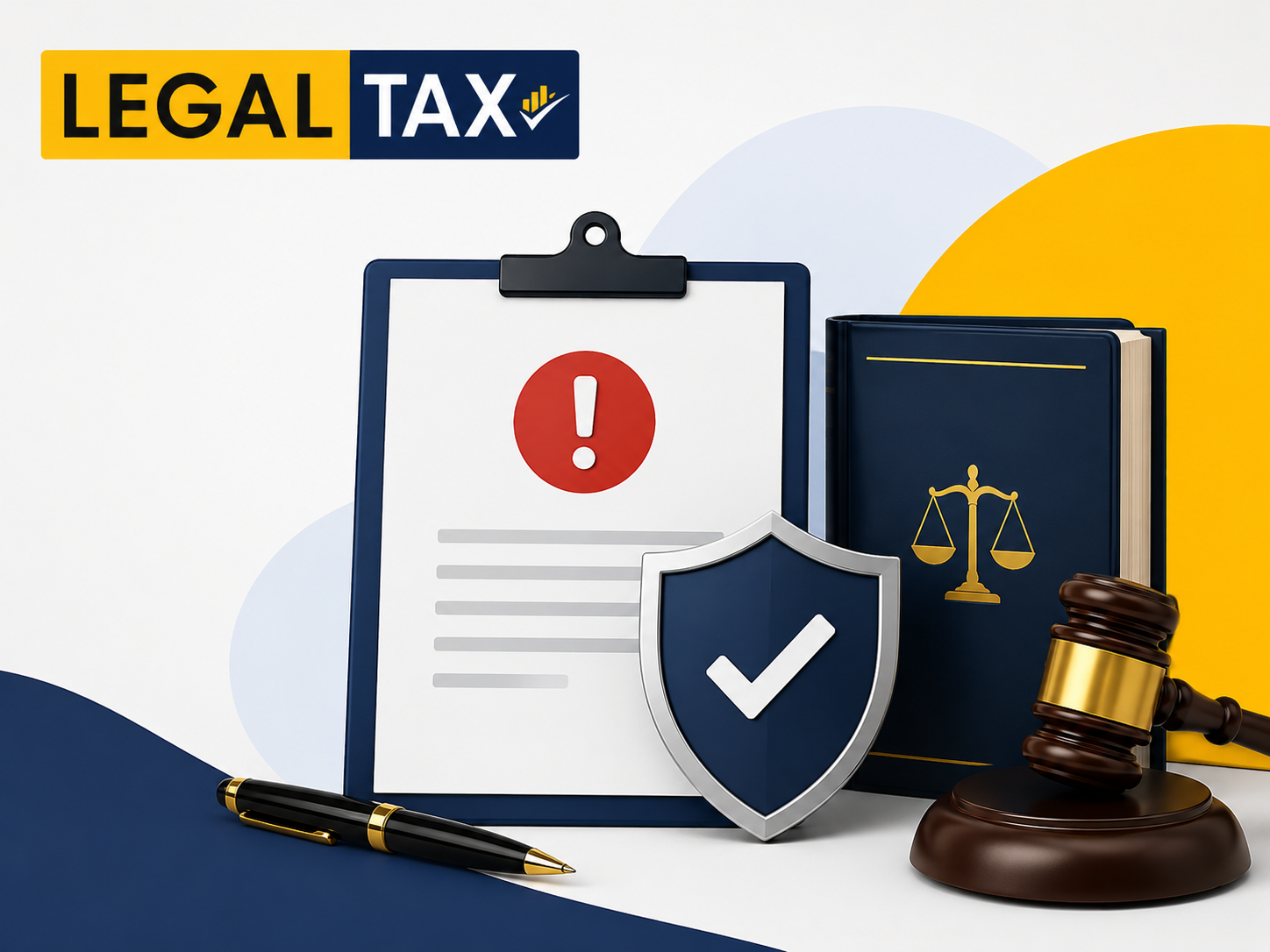
This is the most critical part. Missing the deadline can result in your trademark application being marked as Abandoned and you will have to start from scratch with a fresh application.
The reply to the examination report must be filed within 30 days of the date of the examination report.
Can You Get an Extension?
Yes. If you need more time, you can apply for an extension by filing Form TM-M along with a government fee of Rs. 900. You must provide a valid reason for the delay. This extension is not automatic and has to be approved by the registrar.
What Happens If You Miss the Deadline?
If you fail to file the reply within 30 days (or the extended period), your trademark application status will be changed to “Abandoned/Neglected.” You will lose your filing date and have to file a completely new application. This is why acting on time is absolutely essential.
You can check the current status of your trademark application at any time on ipindiaonline.gov.in.
📝 What Documents Are Required for Trademark Objection Reply?
Before drafting your reply, gather the following documents:
- Authorization Letter (Power of Attorney, Form TM-48 if not already filed)
- Copy of the Examination Report
- Evidence of prior use of the trademark (invoices, advertisements, packaging, etc.)
- Affidavit supporting your claims
- Trademark hearing notice, if any
- Supporting evidence of logo ownership or brand identity
The quality of your supporting documents can make or break your reply. Weak documentation is one of the most common reasons why objection replies fail. Specialists at LegalIP.in – Trademark Objection can help you prepare a document-backed, legally sound reply that addresses each ground of objection specifically.
🛠️ How to File a Trademark Objection Reply: Step by Step
Here is the complete step-by-step process to file your trademark objection reply in India:
Step 1: Read the Examination Report Carefully
Download the examination report from the IP India portal. Read it thoroughly to understand exactly what grounds the examiner has raised. Every ground requires a separate, targeted legal argument in your reply.
Step 2: Identify the Legal Grounds
Determine whether the objection is under Section 9 (absolute grounds) or Section 11 (relative grounds) or both. Each ground has a different legal strategy and different supporting documents.
Step 3: Draft the Reply
This is the most important step. The reply must be drafted by a qualified trademark attorney or agent. A strong reply includes:
- Legal arguments addressing each ground of objection
- Supporting case laws and precedents from Indian trademark jurisprudence
- Evidence of prior use and brand recognition (if applicable)
- Distinctiveness arguments (if the mark is claimed to be descriptive)
- Consumer survey data or market evidence (in stronger cases)
Do not draft the reply yourself unless you have deep knowledge of trademark law. A poorly drafted reply can result in the examiner remaining unsatisfied and sending the matter to a hearing.
Step 4: File the Reply Online
Once the reply is finalised, it must be filed online through the IP India trademark portal. Online replies are updated faster and are recommended over physical submissions.
Step 5: Wait for the Examiner’s Decision
After filing, the examiner reviews your reply. This process typically takes 7 to 8 months. If the examiner is satisfied with your reply, your application will be sent for publication in the Trademark Journal, which is the next step towards registration.
If the examiner is not satisfied, a Show Cause Hearing will be scheduled and you will need to appear before the registrar to defend your application.
For expert assistance with trademark hearings in India, visit LegalTax.in – Trademark Hearing.
📊 What Happens After You File the Reply?
Here is a quick overview of what happens next:
If the Reply Is Accepted: Your application is approved and published in the Trademark Journal. A 4-month opposition window opens for third parties to oppose your mark.
If the Reply Is Not Accepted: The registrar marks the matter for a Show Cause Hearing and notifies your trademark agent of the date and time.
If No Reply Is Filed: The application is marked as Abandoned and you lose all rights associated with that filing date.
For complete guidance on what happens after the objection stage, OnlineTrademark.com is a useful resource for understanding the end-to-end trademark registration journey in India.
🆚 Trademark Objection vs Trademark Opposition: Key Difference
Many people confuse these two terms. Here is a simple breakdown:
Trademark Objection is raised by the government examiner at the examination stage, before your application is published. Only the examiner can raise an objection.
Trademark Opposition is filed by a third party, any person or company, after your application is published in the Trademark Journal. Under Section 21 of the Trade Marks Act, 1999, any person can file a notice of opposition within 4 months of publication.
Both are serious legal challenges but they occur at different stages and require different legal strategies. If you are facing a trademark opposition, visit LegalTax.in – Trademark Opposed for expert help.
💡 Tips to Write a Strong Trademark Objection Reply
Here are some proven tips that trademark professionals use to increase the chances of a successful reply:
Be Specific, Not Generic: Address each ground of objection separately with targeted legal arguments. A generic reply that does not address specific concerns is almost always rejected.
Use Supporting Case Laws: Indian courts and the Trademark Registry have laid down important precedents on what constitutes a distinctive mark, what counts as deceptive similarity, and how prior use should be proved. Use relevant case laws to strengthen your reply.
Provide Strong Evidence of Use: If your brand has been in the market for years, submit invoices, advertisements, packaging, social media presence, and sales data to prove long use and acquired distinctiveness.
Do Not Admit the Objection: Avoid language in your reply that inadvertently agrees with the examiner’s concern. Your reply must firmly contest the grounds raised.
File on Time: This cannot be stressed enough. The 30-day deadline is strict. Even one day late can result in abandonment.
1. What is a Trademark Objection in India and why do I receive it?
A Trademark Objection is a notice issued by the Trademark Examiner when there are concerns about your trademark application. Common reasons include similarity with an existing trademark, lack of uniqueness, use of generic words, or incorrect filing details.
2. How long do I have to file a Trademark Objection Reply in India in 2026?
In India, applicants generally get 30 days from the date of the examination report to submit a Trademark Objection Reply. Missing the deadline may lead to abandonment of the trademark application, so timely response is very important.
3. What documents are required to respond to a Trademark Examination Report?
The required documents may include the examination report copy, authorization letter or Power of Attorney, brand usage proof, invoices, website screenshots, social media pages, advertisements, and any evidence showing that the trademark is distinctive and actively used.
4. Can a Trademark Application be rejected if the objection reply is not filed on time?
Yes. If the applicant fails to submit a proper objection reply within the prescribed time limit, the trademark application can be marked as abandoned by the Trademark Registry. Filing a detailed and timely response is essential to keep the application active.
5. How can I draft a strong Trademark Objection Reply to increase approval chances?
A strong Trademark Objection Reply should clearly address every objection raised by the examiner. It must include legal arguments, case laws if applicable, proof of brand usage, and evidence showing that the trademark is unique and not likely to confuse consumers.
6. Do I need a trademark lawyer or consultant to handle a Trademark Objection Reply in India?
While it is possible to file the reply yourself, hiring a trademark professional or legal consultant is recommended because objection replies involve legal reasoning and technical drafting. An expert can prepare a stronger response, reduce errors, and improve the likelihood of trademark approval.
🔄 Can You Still Use the TM Symbol During Objection?
Yes. Even when your trademark application status shows “Objected,” you can continue to use the TM symbol beside your brand name or logo. The Trademark Registry does not prohibit the use of TM during the objection stage.
You can only use the ® symbol after your trademark has been officially registered and you have received the registration certificate.
🚨 Is Your Trademark Showing “Objected”? Do Not Wait.
Every day you delay is a day closer to your application being marked Abandoned. A professionally drafted trademark objection reply can make the difference between losing your brand protection and securing it for the next 10 years.
LegalTax.in has helped hundreds of businesses across India respond to trademark objections successfully, with fast turnaround, strong legal arguments, and complete online service from anywhere in India.
👉 File Your Trademark Objection Reply with LegalTax.in
📞 Call us: +91 9711939395 📧 Email: info@legaltax.in ⏱️ Reply drafted and filed within 3 working days

Anjali is a Digital Marketing Expert at LegalTax.in who builds websites that rank and convert. She specializes in SEO-driven web development, helping people find the right legal help online.
Our Clients